For generations, the definition of luxury has been rooted in two powerful concepts: exceptional quality and timeless design. In a world now acutely aware of its environmental and social responsibilities, a third, vital pillar has emerged, clarifying and enriching the very idea of luxury: sustainability. The truth is, sustainable luxury fashion is not a new trend; it is a return to the original principles of the craft. It is the understanding that the greatest value lies in pieces that are not only beautiful and enduring but also created with integrity.
This is a guide to a more thoughtful and resonant way of engaging with fashion. It is about moving beyond consumption and towards curation, championing ethical designer brands and adopting the art of conscious luxury shopping. We will explore how to identify true sustainability, from the sourcing of materials to the hands that craft them, and how to build a wardrobe that is not just a statement of style, but a testament to your values. For the modern connoisseur, true luxury is a choice—a conscious decision to invest in a more beautiful and responsible future.
Section 1: The New Definition of Luxury – The Slow Fashion Philosophy
The very concept of luxury is the natural antidote to the fast-fashion crisis. The slow fashion movement, which champions quality over quantity, is the philosophical core of high-end design. It is a commitment to creating pieces intended to be worn not for a season, but for a lifetime.
This redefines the idea of a sustainable fashion investment. The value of a designer piece is not just its initial price, but its enduring worth calculated through „cost-per-wear.” A beautifully crafted cashmere coat that is worn for a decade ultimately has a lower environmental impact and a higher personal value than a dozen cheaper, synthetic coats that end up in a landfill.
This philosophy transforms the act of shopping into an intellectual and emotional pursuit. It requires a mindset of:
-
Intentionality: Every purchase is a considered decision, not an impulse.
-
Appreciation: A deep respect for the resources, time, and skill invested in creating a garment.
-
Longevity: A focus on building a lasting relationship with your wardrobe, centered on care, repair, and timeless style.
Embracing sustainable luxury is the ultimate expression of a sophisticated consumer—one who understands that true value is measured in decades, not in discounts, and that the most elegant choice is always a conscious one.
Section 2: The Hallmarks of an Ethical Designer Brand
How does one identify the brands that are genuinely committed to sustainability? It goes far beyond marketing claims. True ethical designer brands are defined by a tangible commitment to the following principles.
1. Ethical and Innovative Material Sourcing:
The story of a garment begins with its raw materials. Look for brands that are transparent about their sourcing and prioritize eco-friendly luxury fabrics.
-
Natural & Organic Fibers: GOTS-certified organic cotton, responsibly sourced linen, and certified silks that ensure environmental and social standards.
-
Recycled & Regenerated Materials: Innovative brands are using recycled cashmere, regenerated nylon (like Econyl®), and other materials that turn waste into luxury.
-
Conscious Animal Fibers: The Responsible Wool Standard (RWS) and The Good Cashmere Standard® ensure animal welfare. For leather, look for vegetable-tanned processes, which avoid the heavy metals used in conventional chromium tanning.
-
Pioneers: Stella McCartney has been a trailblazer for decades, proving that luxury can be completely cruelty-free without compromising on design. Brands like Gabriela Hearst champion the use of deadstock fabrics and sustainable production methods.
2. A Commitment to Artisanal Craftsmanship:
Luxury craftsmanship is inherently sustainable. The work of a skilled artisan is, by nature, a slow, low-impact process.
-
Supporting Communities: Brands that work with artisan cooperatives help preserve traditional skills and provide fair, stable employment. Brunello Cucinelli’s deep integration with his home community in Solomeo, Italy, is a prime example of this philosophy in action.
-
Reduced Waste: Handcrafted production is precise, resulting in far less material waste than large-scale factory production.
3. Supply Chain Transparency and Certification:
An ethical brand is not afraid to show you how its products are made.
-
Traceability: Look for brands that can trace their products from farm to finished garment.
-
Certifications: Third-party certifications like B Corp status are a rigorous indicator that a company is meeting high standards of social and environmental performance, accountability, and transparency.
4. Timeless, Enduring Design:
The most sustainable design is one that you will love and wear forever. Ethical brands focus on creating timeless pieces that transcend fleeting trends, ensuring their creations have a long and cherished life in your wardrobe.
Section 3: The Art of Conscious Luxury Shopping
Adopting a sustainable mindset transforms how you build your wardrobe. It is an art form that blends personal style with personal values.
1. The „Buy Less, Buy Better” Mantra:
This is the golden rule. Instead of buying five trendy items, save and invest in one exceptional, timeless piece that you will treasure. This single act reduces consumption, waste, and clutter.
2. Invest in Timeless Silhouettes:
Focus your primary investments on the foundational pillars of a lasting wardrobe: a perfect trench coat, a classic leather handbag, a beautifully tailored blazer, a sumptuous cashmere sweater. These are the pieces that will serve as the canvas for your style for years to come.
3. Embrace the Circular Fashion Economy:
A truly sustainable wardrobe is a circular one. This is a key aspect of conscious luxury shopping.
-
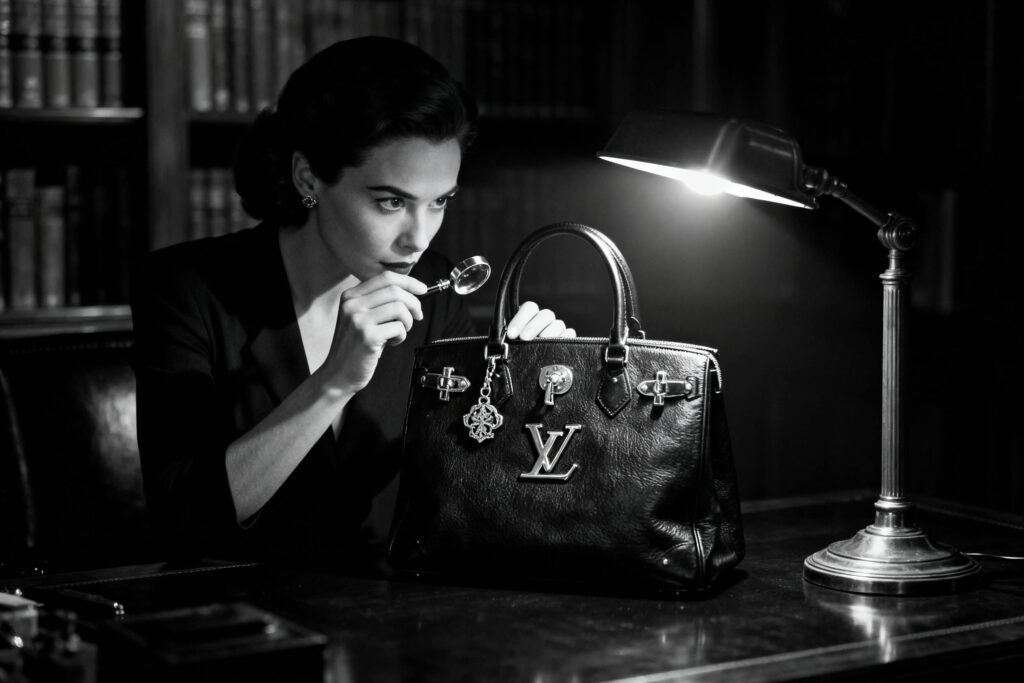
The Power of Resale: The authenticated luxury resale market is one of the most powerful tools for sustainability. Buying a pre-owned classic from a trusted source like Venier gives a beautiful piece a new life and reduces the demand for new production.
-
Care and Repair: A commitment to caring for your pieces is a sustainable act. Find a great tailor for minor alterations, a skilled cobbler for your shoes, and learn the proper techniques for cleaning and storing your delicate items.
-
Thoughtful Reselling: When you are truly finished with a piece, consign it. Allow it to continue its journey in another discerning woman’s wardrobe.
4. Ask Questions and Do Your Research:
Before making a purchase, be a curious and informed consumer. Visit the brand’s website and look for a „Sustainability” or „Our Responsibility” section. If the information is vague or non-existent, that is a red flag. True ethical brands are proud to share their story.
Section 4: The Role of Craftsmanship in a Sustainable Future
In our modern world, we must recognize that artisans are the guardians of a sustainable future. The skills involved in hand-stitching a shoe, weaving a textile on a traditional loom, or meticulously setting a gemstone are the very definition of slow, mindful production.
Supporting luxury craftsmanship is a direct investment in a more sustainable model. It champions human skill over automated, high-volume production, which inherently consumes more energy and resources. It preserves cultural heritage and provides a viable, dignified livelihood for skilled individuals and their communities.
Furthermore, a handcrafted object has a soul. You can feel the intention and the hours of human dedication within it. This emotional connection fosters a deeper sense of ownership and responsibility, inspiring us to care for the piece, repair it when needed, and see it not as a disposable good, but as a lifelong companion. In this way, the artisan’s hand is one of the most powerful forces in the journey towards a truly sustainable luxury industry.
Frequently Asked Questions
Q1: Is sustainable luxury fashion more expensive?
A: The initial investment can be higher because the cost reflects superior materials, fair wages for artisans, and responsible production processes. However, due to its longevity and timelessness, the „cost-per-wear” is often significantly lower than fast fashion, making it a smarter financial and environmental choice in the long run.
Q2: How can I quickly identify if a brand is truly sustainable?
A: Look for transparency and certifications. A truly sustainable brand will proudly and clearly detail its material sources, production processes, and ethical commitments on its website. Certifications like B Corp, GOTS (for organic textiles), and Fair Trade are strong, third-party validations of their claims.
Q3: Where should I start when building a sustainable luxury wardrobe?
A: Start with a timeless investment piece that you will wear constantly. A classic, ethically made blazer, a handbag from a brand known for its craftsmanship, or a versatile cashmere sweater are excellent starting points. Focus on quality and a piece’s ability to integrate with your existing wardrobe.
Q4: What is „circular fashion” and how does it relate to luxury?
A: Circular fashion luxury is a model that aims to eliminate waste by keeping high-quality items in use for as long as possible. For luxury, this primarily means buying pre-owned, repairing cherished items to extend their life, and reselling pieces you no longer wear through trusted consignment platforms. It’s the opposite of the linear „buy, wear, throw away” model.
Conclusion
The evolution towards sustainable luxury fashion is a beautiful and necessary one. It is a reaffirmation of the core principles that have always defined true luxury: a commitment to excellence, a respect for artistry, and a belief in creating things of lasting value. To be a conscious consumer is to be a modern connoisseur, one who understands that the choices we make can have a profound impact. By investing in ethical designer brands and embracing a philosophy of thoughtful curation, you are not just building a wardrobe—you are shaping a better, more beautiful, and more responsible world, one exquisite piece at a time.
Shop with intention. Explore Venier’s curated collection of designer pieces, where timeless style and a commitment to quality are the foundation of a truly sustainable wardrobe.