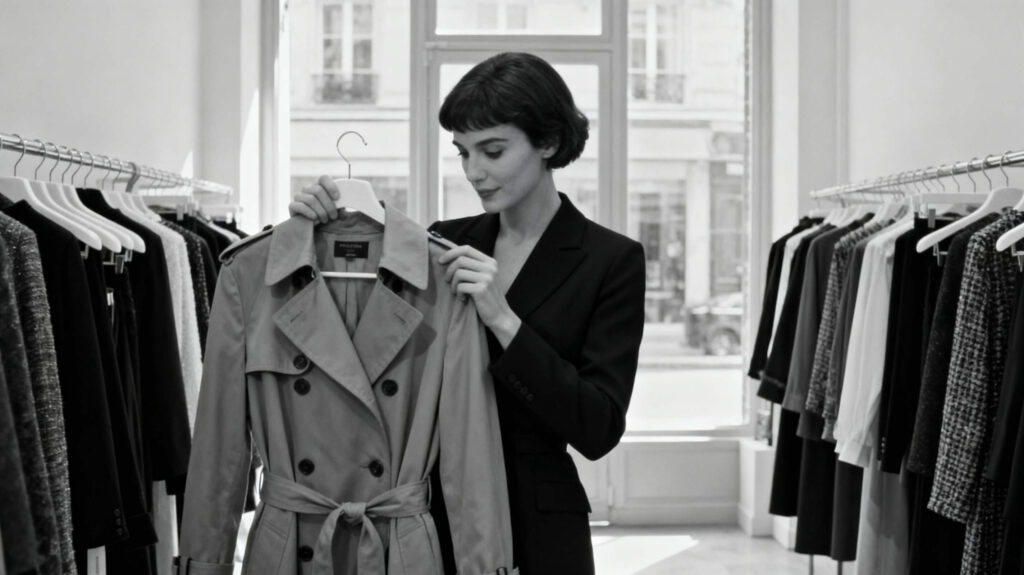
Why do we desire a beautifully crafted handbag? What is the true allure of a perfectly tailored coat that costs more than its purely functional equivalent? On the surface, the answer may seem simple, but the decision to invest in a premium designer piece is a complex and deeply human one. It is a choice driven by a fascinating interplay of emotion, intellect, and aspiration. The psychology of luxury fashion is not about vanity; it is a profound exploration of our relationship with quality, identity, and the very concept of value.
Understanding why we invest is the key to investing well. It transforms the act of shopping from a mere transaction into a conscious and meaningful act of self-expression. This guide delves into the powerful psychological drivers behind our love for luxury. We will explore how designer pieces serve as vehicles for personal storytelling, markers of achievement, and investments in a more sustainable and beautiful future. Welcome to the inner world of the luxury mindset, where a purchase is never just a purchase—it is a statement of who we are and who we aspire to be.
Section 1: Beyond the Price Tag – The Intrinsic Value of Quality
The most fundamental driver behind a luxury purchase is an innate appreciation for superior quality. In a world saturated with the disposable and the mass-produced, a luxury item stands apart. This is the power of premium materials. Our brains are wired to recognize and value excellence. The tactile sensation of running your hand over supple, full-grain leather or the substantial, cool weight of a solid gold clasp provides a tangible, sensory pleasure that a synthetic equivalent simply cannot replicate.
This is linked to the psychological concept of „haptic perception”—our ability to identify objects through touch. High-quality materials provide positive sensory feedback, creating a feeling of satisfaction and rightness. This is not just a fleeting pleasure; it contributes to a deeper, more lasting emotional connection with the object.
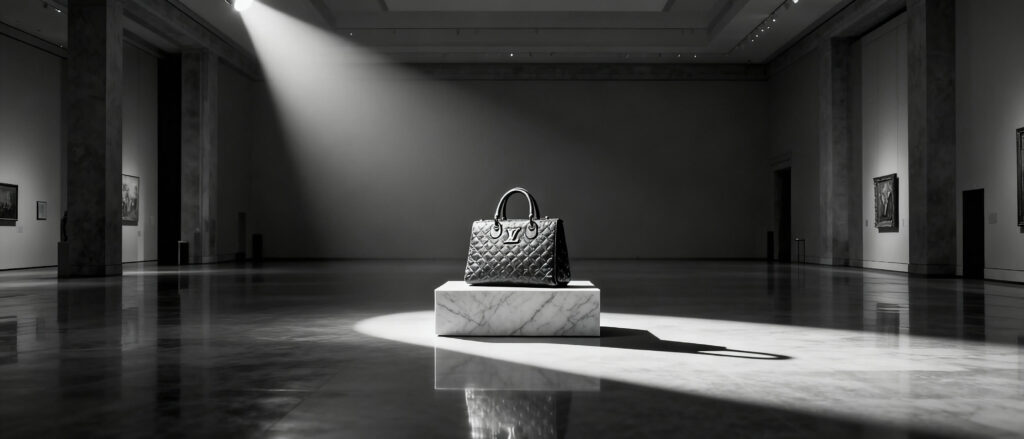
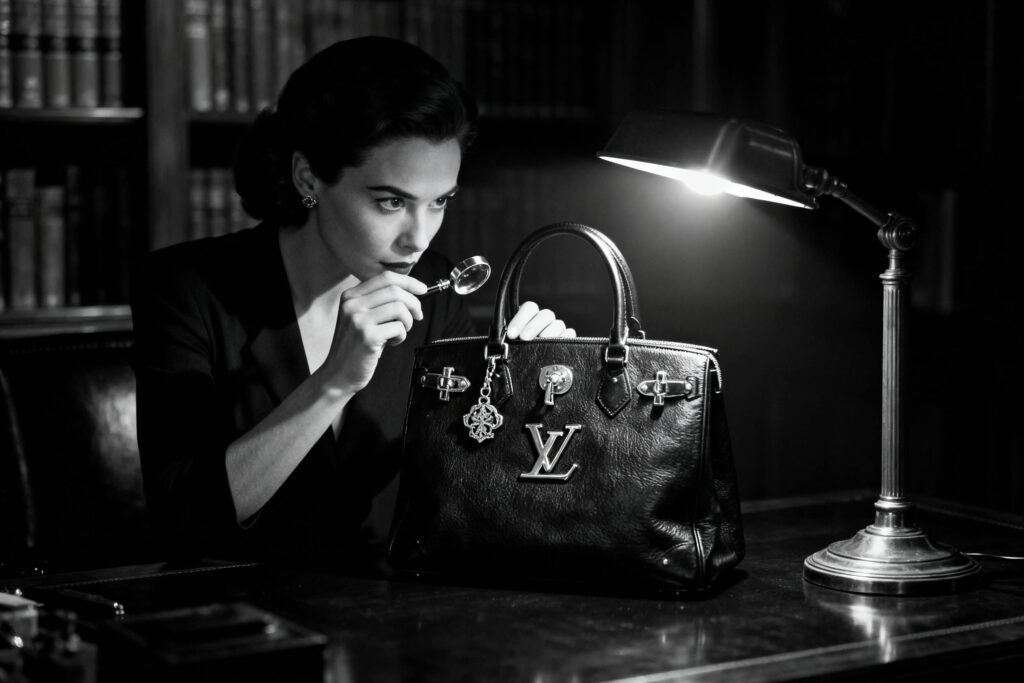
Furthermore, designer craftsmanship speaks to our respect for skill and mastery. Knowing that a single handbag was crafted by an artisan over dozens of hours, with every stitch placed with intention, imbues the object with a soul. It becomes a testament to human potential and a rejection of the anonymous, automated nature of modern consumerism. Investing in this level of quality is a rational decision. A well-made designer piece will outlast dozens of its fast-fashion counterparts, making its „cost-per-wear” significantly lower over time. This luxury fashion investment is a vote for longevity over disposability, a choice that is both economically and emotionally intelligent.
Section 2: Fashion as Identity – The Language of Self-Expression
Clothing is a language. Long before we speak, our attire communicates volumes about our personality, our values, and our place in the world. Luxury fashion self-expression is a particularly articulate dialect of this language. It allows for a nuanced and powerful form of personal storytelling.
The designer clothing psychology here is about alignment. When we choose a brand, we are often subconsciously aligning ourselves with its perceived values and identity.
-
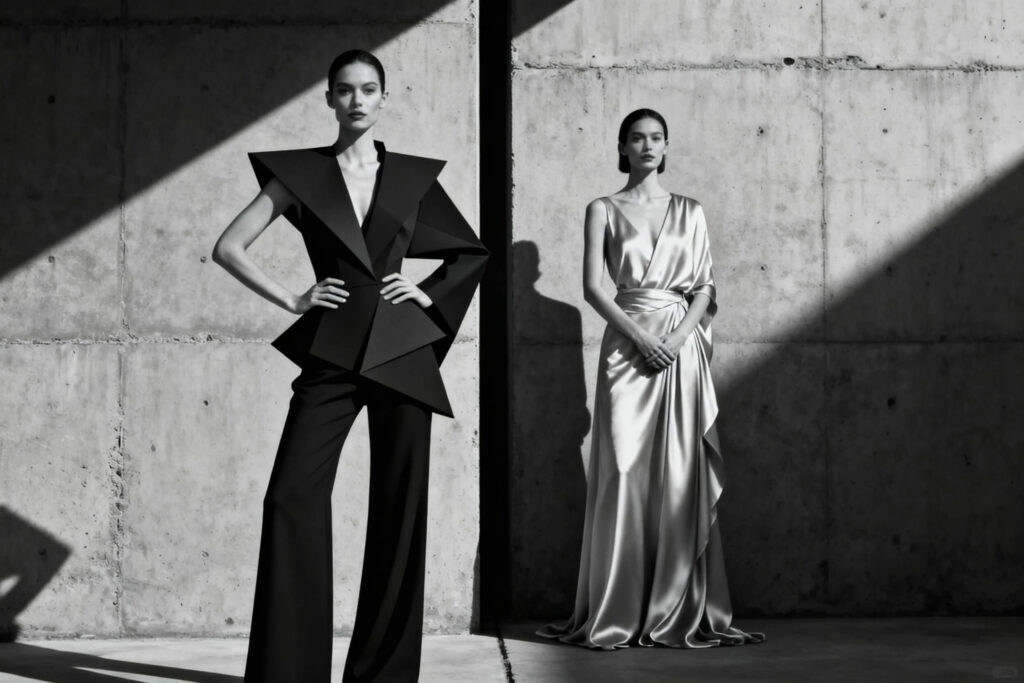
The Minimalist: A woman who chooses the clean lines and architectural purity of a brand like Jil Sander or The Row is communicating a value system of intellectual rigor, confidence, and an appreciation for quiet, considered design. Her style says, „My substance is my statement.”
-
The Traditionalist: Investing in a classic, heritage brand like Hermès or Chanel signals a respect for history, timeless elegance, and an enduring legacy of quality. It speaks to a desire for permanence in a changing world.
-
The Innovator: Gravitating towards avant-garde designers like Rick Owens or Maison Margiela expresses a creative, non-conformist spirit. It is a declaration of individuality and a celebration of fashion as an art form.
This is the core of authentic fashion: choosing pieces that feel like a true extension of your inner self. A luxury item is rarely an impulse buy; it is a considered choice. That consideration process is, in itself, an act of self-definition. We ask ourselves, „Is this me?” When the answer is a resounding yes, the purchase becomes an affirmation of our identity, a piece of our personal armor that empowers us to move through the world with greater confidence and authenticity.
Section 3: The Psychology of Scarcity and Exclusivity
Human beings are naturally drawn to that which is rare. The principle of scarcity is a powerful psychological motivator. The knowledge that a piece is from a limited production run, was difficult to acquire, or is a coveted icon creates a heightened sense of desire and value. This is not about snobbery; it is about the appreciation of the unique.
The luxury brand meaning is often tied to this exclusivity. Brands cultivate this through several means:
-
Limited Editions: Creating a finite number of a particular item instantly increases its desirability.
-
Hurdles to Acquisition: The famous „waitlist” for an Hermès Birkin is a masterclass in this principle. The difficulty of obtaining the item makes its eventual possession a significant achievement.
-
Artisanal Production: The very nature of handcrafted production creates natural scarcity. There is a finite number of hours in a day and a finite number of skilled artisans, limiting the output and ensuring each piece remains special.
Owning something that not everyone else has taps into our desire for individuality. It allows us to feel that we are part of a select group of connoisseurs who recognize and appreciate a certain level of quality or design. This feeling of belonging to a „tribe” of like-minded individuals is a powerful aspect of the luxury lifestyle values, creating a sense of community around a shared appreciation for the exceptional.
Section 4: Investment, Legacy, and the Pursuit of Permanence
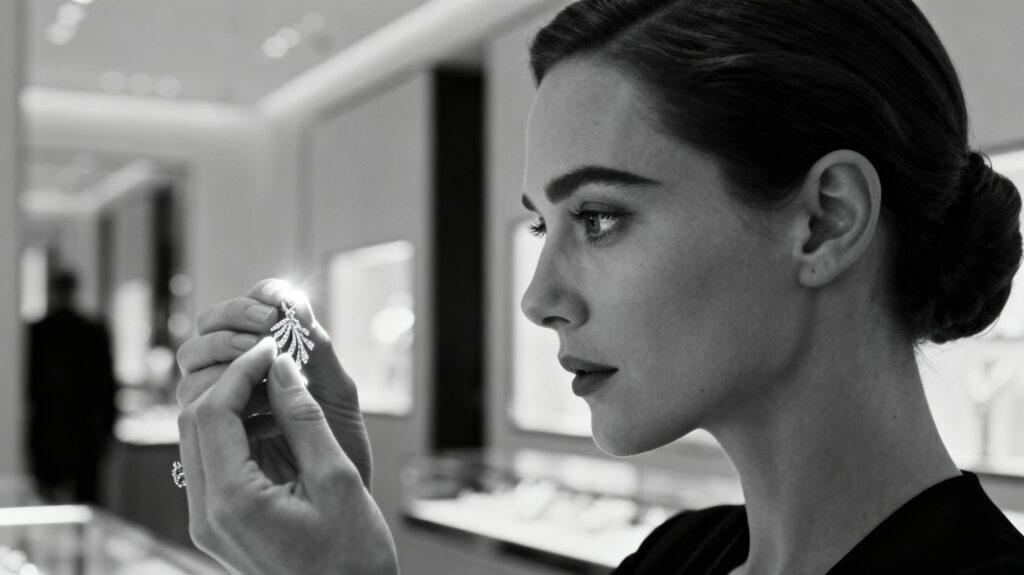
In an uncertain world, we crave permanence. Luxury fashion offers a form of this. A well-made designer piece is not a fleeting trend; it is an asset. This is the luxury fashion investment mindset at its most pragmatic. Iconic handbags, fine Swiss watches, and classic jewelry from renowned houses often maintain or even appreciate in value over time, outperforming many traditional investments.
But the concept of investment goes beyond the financial. It is also an emotional investment in our own future and legacy.
-
Sentimental Value: A luxury item is often purchased to mark a significant milestone—a major promotion, a wedding, a personal achievement. The object then becomes imbued with the memory and emotion of that moment, serving as a powerful and beautiful reminder of our own journey and accomplishments.
-
The Idea of Legacy: The timelessness and durability of a luxury piece mean that it can be passed down through generations. A mother giving her daughter the watch she received on her own 30th birthday is not just passing on an object; she is passing on a story, a memory, and a piece of her own history. This desire to create a legacy, to connect our present with the future, is a profound psychological driver.
By investing in pieces that are built to last, we are pushing back against the culture of impermanence. We are choosing to build a life and a wardrobe with substance, meaning, and a story that will endure.
Section 5: The Feeling of Confidence and Transformation
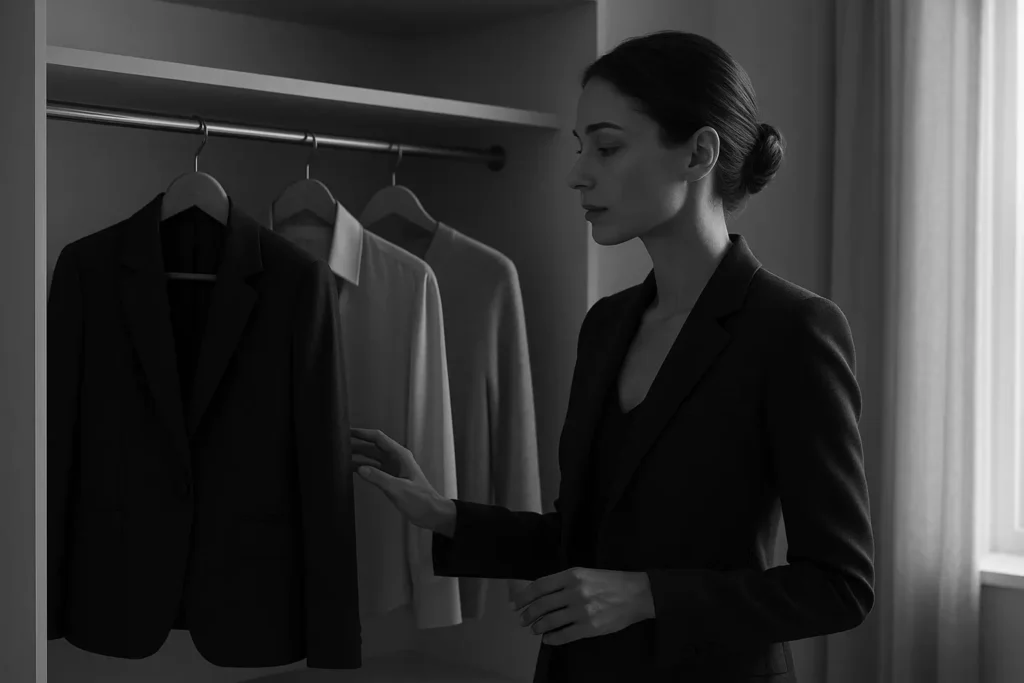
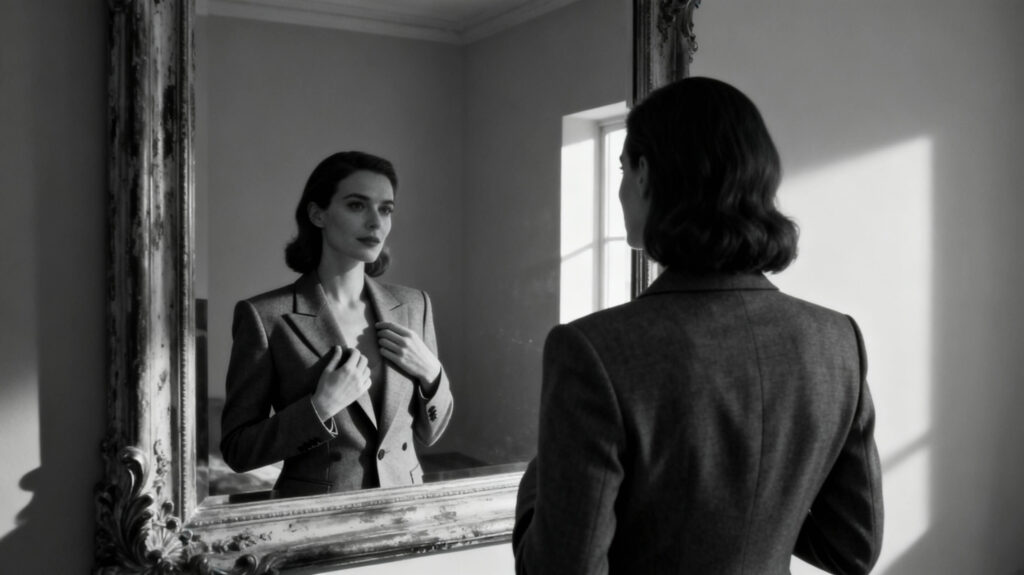
Let us not underestimate the simple, transformative power of wearing something extraordinary. The psychology of style is deeply connected to our sense of self-worth. When you put on a perfectly cut coat, the weight of the fabric on your shoulders, the clean line it creates—it can change your posture. It can make you stand taller, feel more poised, and project an aura of confidence.
This is not about external validation, but internal affirmation. It is the feeling of being „put together,” of presenting the best version of yourself to the world. This feeling can have a powerful ripple effect, influencing how we interact with others, how we perform at work, and how we navigate our daily lives. A luxury piece can be a form of personal armor, providing a sense of readiness and empowerment to face whatever the day may hold. It is a tool for transformation, allowing us to step into the version of ourselves we aspire to be.
Frequently Asked Questions
Q1: Is the desire for luxury fashion just about showing off wealth?
A: While status can be a motivator for some, the deeper psychology for most discerning individuals is about an appreciation for quality, craftsmanship, and self-expression. It’s less about „I have money” and more about „I have taste and I value excellence.”
Q2: How does „quiet luxury” fit into this psychology?
A: „Quiet luxury” is the ultimate expression of the intrinsic value principle. It is for individuals whose confidence is so secure that they have no need for logos. Their satisfaction comes from the personal knowledge of the piece’s superior quality and craftsmanship, a pleasure that is for them alone.
Q3: Can investing in luxury fashion truly make you happier?
A: While material objects alone cannot create happiness, the experiences and feelings associated with them can. The confidence boost, the joy of appreciating true artistry, and the satisfaction of making a wise, long-term investment can certainly contribute to a sense of well-being and fulfillment.
Q4: How does sustainability play into the psychology of luxury?
A: Increasingly, it is a major factor. The „buy less, buy better” ethos is at the heart of both luxury and sustainability. The psychological satisfaction of making a responsible, ethical choice that is good for the planet adds another powerful layer of value to a luxury purchase.
Conclusion
The decision to invest in a premium designer piece is a rich and complex tapestry woven from our deepest desires: for quality, for identity, for connection, and for permanence. The psychology of luxury fashion reveals that these are not frivolous purchases, but considered investments in our own narrative. They are the tools we use to express our values, celebrate our achievements, and build a legacy of style and substance. A luxury piece is a conversation between the artisan who crafted it and the individual who chooses it, a silent understanding that some things are worth investing in, because they are made to last. And in a world that moves so fast, there is no greater luxury than that.
Explore the curated collections at Venier and discover the pieces that speak to your story.