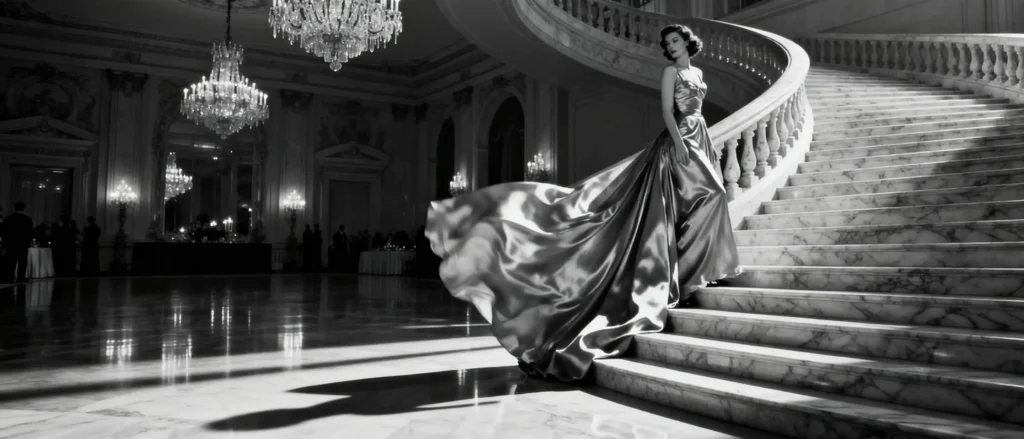
In a world saturated with fleeting trends, the allure of luxury designer fashion remains a constant. It represents more than mere clothing; it is a statement of discernment, an appreciation for artistry, and an investment in enduring style. But what truly separates a garment from a masterpiece? The answer lies in a complex tapestry woven from heritage, unparalleled quality, and meticulous craftsmanship. This guide is designed to illuminate that distinction, offering an expert perspective on the foundational pillars of high fashion. We will explore the tangible markers of quality, delve into the world of artisanal techniques, and equip you with the knowledge to identify and invest in authentic designer pieces with confidence. For the discerning individual, understanding these elements is paramount, because true luxury extends far beyond the price tag—it is an experience, a story, and a legacy. This is your definitive guide to navigating the exceptional world of premium fashion quality and making choices that will not only elevate your wardrobe but also stand the test of time.
What Defines Luxury Designer Fashion?
The Essence of Luxury Beyond the Logo
At its core, luxury designer fashion is a philosophy rooted in excellence. While a recognizable logo can signify a certain status, the true essence of luxury is found in the intangible qualities that define a piece. It begins with heritage—the rich history and narrative of a fashion house, often built over generations of uncompromising standards. Brands like Chanel or Hermès have a reputation forged not by marketing, but by a century of exceptional output.
This philosophy extends to a principle of intentional scarcity. Unlike mass-market goods, luxury items are often produced in limited quantities, ensuring exclusivity. This isn’t a manufactured gimmick; it’s a natural result of a process that prioritizes refined, handcrafted production over volume. Every stitch, seam, and fastening is subjected to rigorous quality control, resulting in a bespoke-level finish even in ready-to-wear collections. This is where we see the power of crafted, exceptional design. Each element is considered, from the weight of a button to the sound a clasp makes when it closes. This meticulous attention to detail is the silent language of luxury.
Designer vs. Fast Fashion: Understanding the Gap
The chasm between designer and fast fashion is immense, and it goes far beyond the price. Fast fashion is built on imitation and immediacy, creating disposable garments designed to last a single season. Luxury designer fashion is the antithesis; it is built on innovation and timelessness. A luxury piece is created to be worn for decades, becoming a cherished part of a wardrobe that can be passed down.
The price of a designer garment is justified by its longevity, a concept known as „cost per wear.” A £2,000 coat worn for ten years ultimately offers better value than ten £200 coats that must be replaced annually. Furthermore, the environmental and ethical gap is stark. Luxury fashion, with its focus on quality materials and small-scale production, champions a more sustainable model compared to the waste-intensive cycle of fast fashion. At Venier, we curate only the finest luxury designer pieces that embody these principles of true quality.
The Foundation: Premium Materials and Craftsmanship
The Role of Materials in Luxury Fashion
The tactile experience is the first handshake with luxury, and it begins with superior materials. Premium fashion quality is non-negotiable, and brands invest heavily in sourcing the world’s finest textiles. This includes natural fibers prized for their unique properties: the luminous drape of Italian silk, the unparalleled softness of Scottish cashmere, the breathable structure of Egyptian cotton, and the rich texture of Irish linen.
In leather goods, the distinction is even more critical. Luxury brands utilize full-grain or top-grain leathers, which retain the natural, durable outer layer of the hide, allowing them to develop a beautiful patina over time. For instance, Loro Piana is famous for its exclusive use of vicuña, a fiber harvested from a rare Andean animal, which is so fine that it was once reserved for Incan royalty. This commitment to sourcing the absolute best is what ensures the longevity and beauty of a garment. When you touch a fabric and feel its substantial weight, its smooth finish, or its intricate weave, you are feeling a key component of your investment.
Handcrafted Excellence vs. Mass Production
Designer craftsmanship is what elevates premium materials into an object of desire. While machines can produce garments with speed, they cannot replicate the nuance and precision of a skilled artisan’s hand. A single hand-tailored suit jacket from a house like Kiton can require over 25 hours of work, involving techniques passed down through generations. This human touch is visible in the subtle details: hand-sewn buttonholes that are more durable and elegant than their machine-made counterparts, or the perfect alignment of patterns across seams.
This dedication to craft ensures a superior fit, durability, and a finish that is impossible to achieve in mass production. It allows for a level of quality control where every single item is inspected by an expert eye. This is the soul of quality designer fashion. Explore our curated Power Suit Ensemble and Timeless Classic Collection – both exemplifying true designer handcraftsmanship.
Manufacturing Standards and Precision
The „Made in Italy” or „Made in France” label is more than just a point of origin; it is often a certification of manufacturing excellence. These countries have a deep-rooted history of artisanal production and are home to many of the world’s most skilled craftspeople. Luxury brands maintain strict quality assurance protocols throughout their production lines, from the initial hide selection to the final polish of a buckle. These exacting standards, combined with time-honored techniques, are what ensure the final product meets the lofty expectations of both the brand and its discerning clientele.
Authenticity: The Cornerstone of Luxury
What Makes Designer Clothes Authentic?
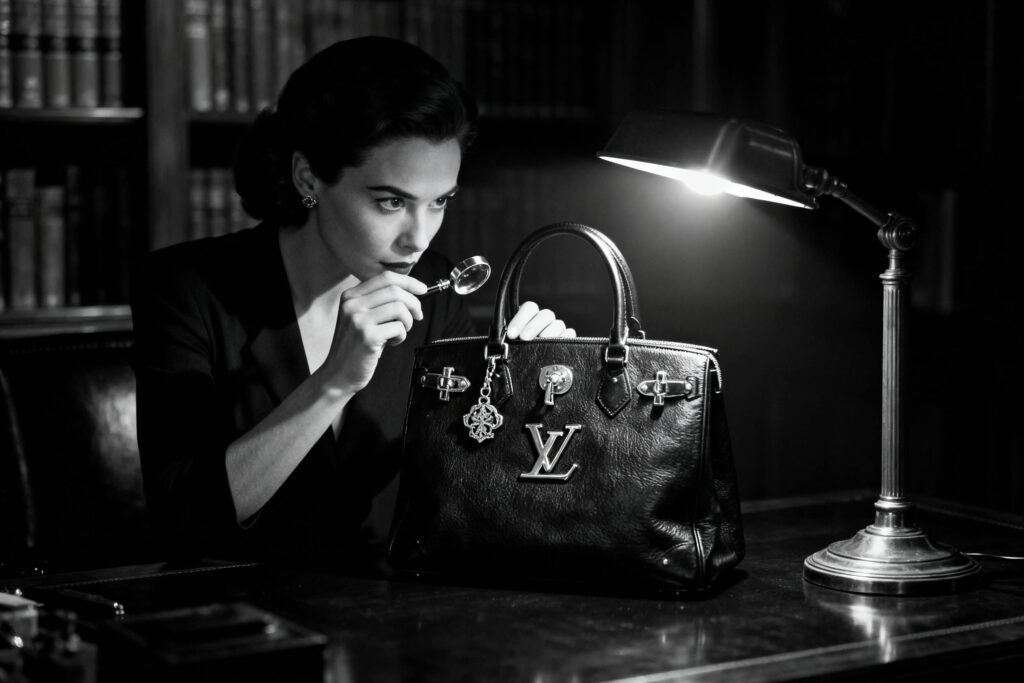
In a market flooded with replicas, understanding the markers of designer brand authenticity is crucial. Authentic designer clothes are defined by their flawless execution. Key indicators include stitching that is perfectly even, tight, and consistent, with no loose threads. Hardware, such as zippers, clasps, and buttons, should feel heavy and substantial, often engraved with the brand’s logo with clean, sharp precision.
Examine the labels and tags: they should be impeccably stitched, with clear, consistent font and no misspellings. Many brands use unique identifiers like serial numbers, authenticity cards, or holograms. Most importantly, the material quality is a primary giveaway. An authentic piece will feel luxurious to the touch, consistent with the premium textiles the brand is known for. The overall weight and feel of the item should convey quality and substance.
Red Flags: Identifying Counterfeit Designer Fashion
Identifying fakes requires a keen eye for detail. The most common red flags include sloppy, uneven, or frayed stitching. Look for logos that are poorly proportioned, misspelled, or use an incorrect font. Counterfeit hardware often feels light, cheap, and may be prone to chipping or tarnishing. The material itself is a dead giveaway; a fake leather bag will often have a chemical smell and feel like plastic, a far cry from the rich scent and supple texture of genuine Italian leather.
Perhaps the most significant red flag is a price that seems too good to be true. Deep discounts on new, iconic pieces are extremely rare through unofficial channels. Always be wary of suspicious seller practices or websites that lack professional polish.
Why Authenticity Matters Beyond Ethics
Investing in authentic luxury is about more than just ethics; it is about protecting your investment. A counterfeit item has no resale value and lacks the quality and durability of the genuine article. By purchasing authentic designer clothes, you are supporting the real designers, artisans, and craftspeople whose livelihoods depend on their creative vision. Furthermore, you ensure the product meets safety and quality standards, free from the potentially harmful materials sometimes used in fake goods. Shopping from verified retailers like Venier ensures your investment in authentic luxury pieces that will truly last.
Luxury Fashion as Investment
Why Certain Designer Pieces Hold or Increase in Value
The concept of designer clothing investment is not a myth; it is a reality driven by specific market principles. Certain pieces from top-tier luxury fashion brands hold or even appreciate in value over time. This is due to a confluence of factors: the enduring appeal of timeless, classic designs that never go out of style; the superior durability of premium materials that ensures the item remains in excellent condition; and the unwavering reputation and heritage of the brand.
Exclusivity is a major driver of value. Limited production runs, special collaborations, or discontinued iconic models often become highly sought-after on the resale market. A classic Chanel flap bag or an Hermès Birkin are prime examples of items whose value has consistently increased, outperforming many traditional investments. Their desirability is perpetual, ensuring consistent demand among collectors and fashion connoisseurs.
Recognizing Investment-Worthy Pieces
Identifying a potential investment piece requires a strategic eye. Focus on classic designs that have demonstrated decades of relevance—a Burberry trench coat, a Cartier Tank watch, or a perfectly tailored black blazer. The material must be premium and built for longevity, such as full-grain leather or high-quality cashmere. The designer’s reputation is paramount; stick to established houses known for their unwavering commitment to quality.
Finally, consider versatility. The most valuable pieces are often those that can be styled in numerous ways and remain relevant through changing trends. A discerning buyer looks for the intersection of iconic design, impeccable quality, and enduring brand power.
Building Your Investment Collection Strategically
Building a wardrobe of investment pieces is a marathon, not a sprint. The guiding principle should always be quality over quantity. Begin with foundational staples: a classic handbag, a timeless coat, a versatile pair of shoes. These are the workhorses of a luxury wardrobe. Once you have a solid foundation, you can selectively add more unique or trend-aware pieces. Prioritize versatile items in neutral color palettes first, as they offer the most styling options and longevity. Browse our selection of premium investment pieces including our Timeless Classic Collection – each chosen for lasting value.
The Artistry Behind Luxury Design
Understanding Designer Heritage and Vision
Behind every great luxury brand is a compelling story and a powerful creative vision. Understanding this heritage provides a deeper appreciation for the clothes themselves. Each fashion house, from the avant-garde spirit of Maison Margiela to the romantic classicism of Dior, has a unique design language and manufacturing philosophy. This vision is steered by a creative director who interprets the brand’s DNA for the modern era while honoring its history. Learning about a brand’s evolution and its signature styles transforms a purchase from a simple transaction into a meaningful acquisition of a piece of design history. This industry recognition and reputation are earned, not bought.
What Separates Designer Luxury Tiers
The luxury market is not monolithic; it is composed of different tiers, from accessible luxury to ultra-luxury. The primary factors that justify these price differences are craftsmanship, material exclusivity, and heritage. An accessible luxury brand might use high-quality materials and have excellent design but rely on more streamlined production. An ultra-luxury brand, by contrast, may incorporate rare materials, extensive handcraftsmanship, and a legacy of couture-level artistry into its ready-to-wear collections. The value at each price point is different, but the core principles of quality and design remain. This hierarchy allows consumers to engage with luxury at various levels, all while appreciating what makes each tier special.
Supporting Authentic Design and Creators
Ultimately, the decision to purchase luxury designer fashion is a vote for artistry and integrity. It is an act of patronage that supports a global ecosystem of real designers, skilled artisans, and ethical labor practices. By choosing authentic pieces from verified retailers, you help preserve traditions of craftsmanship that have been passed down for centuries. In an age of automation and disposability, championing the human element of creation is more important than ever. It ensures that the art of high fashion will continue to thrive for generations to come. Venier partners exclusively with verified luxury designers to bring you authentic, ethically-produced premium collections.
Frequently Asked Questions
Q1: What’s the real difference between luxury designer fashion and expensive fashion?
A: True luxury designer fashion combines premium materials, exceptional handcraftsmanship, established heritage, exclusivity, and timeless design. Expensive fashion might simply be high-priced without these elements. Luxury justifies its cost through quality, durability, artistic vision, and lasting value that transcends seasons.
Q2: How can I verify that designer clothes are authentic?
A: Examine stitching consistency, material quality, tag placement and spelling accuracy, matching serial numbers or holograms, and purchase from verified retailers with strong reputations like Venier. Counterfeit items typically show sloppy craftsmanship and inferior materials. When in doubt, buy from trusted sources to ensure you get authentic designer clothes.
Q3: Is luxury designer fashion truly a smart financial investment?
A: Yes, when choosing timeless pieces from established, reputable designers, it can be a very smart designer clothing investment. Classic designs crafted from premium materials often maintain or even appreciate in value due to their enduring demand and brand legacy. However, trend-focused items from less established brands are more likely to depreciate quickly.