Fine jewelry is more than just an accessory; it is a wearable form of art, a symbol of personal milestones, and a tangible investment that can last for generations. But to invest wisely and choose pieces that truly resonate, one must look beyond the initial sparkle. The true essence and value of luxury jewelry lie in the very materials from which it is crafted. Understanding the language of precious metals and the secrets held within gemstones is the key to unlocking a deeper appreciation and making confident, informed decisions.
This fine jewelry guide is designed to be your trusted companion on this journey. We will demystify the world of precious metals, from the timeless allure of gold to the enduring strength of platinum. We will explore the captivating realm of gemstones, detailing the critical factors that determine their quality and rarity. By the end of this guide, you will be equipped with the knowledge to discern true craftsmanship, understand the value of your investments, and select pieces that are not only beautiful but also a perfect reflection of your standards and style.
Section 1: Key Precious Metals in Fine Jewelry
The metal that forms the setting of a piece of jewelry is its foundation. It provides the structure, dictates the overall tone, and plays a crucial role in the piece’s durability, value, and even how it feels against your skin. Understanding the characteristics of precious metals jewelry is the first step in becoming a discerning collector.
Gold: The Timeless Standard
Gold is the most iconic of all precious metals, cherished for its warm, radiant luster and historical significance. Its purity is measured in karats (k), with 24k being 100% pure gold. However, pure gold is too soft for most jewelry applications, so it is alloyed with other metals to enhance its strength.
-
18k Gold (75% Pure Gold): This is the luxury standard. It offers a rich, deep color and a substantial feel while providing good durability. It’s the preferred choice for high-end pieces where the vibrancy of the gold is paramount.
-
14k Gold (58.3% Pure Gold): Offering an excellent balance of durability and purity, 14k gold is a popular and practical choice for everyday wear, including engagement rings and bracelets.
-
Gold Colors: The metals used in the alloy determine the gold’s final color. Yellow gold is mixed with copper and silver. Rose gold has a higher copper content for its warm, pinkish hue. White gold is alloyed with white metals like palladium or nickel and is often plated with rhodium for a brilliant, silvery-white finish.
Platinum: The Pinnacle of Strength and Rarity
Platinum is the rarest and most durable of the precious metals used in jewelry. Its natural, silvery-white hue will never fade or change color, providing a perfect, secure setting for diamonds and other precious gemstones.
-
Purity & Strength: Platinum used in jewelry is typically 95% pure (marked as 950). Its density and strength make it highly resistant to wear and tear, ensuring that prongs holding a precious stone remain secure for a lifetime.
-
Hypoallergenic: Because of its purity, platinum is naturally hypoallergenic, making it the ideal choice for those with sensitive skin. This is a key differentiator in the gold vs platinum debate.
Silver: The Cool and Versatile Classic
Silver offers a bright, cool luster that is both timeless and contemporary. Like gold, pure silver is too soft for jewelry, so it is alloyed with copper.
-
Sterling Silver: This is the standard for quality silver jewelry, consisting of 92.5% pure silver (marked as 925). It is beautiful and affordable but can tarnish over time. Regular polishing will maintain its brilliant shine.
Other Metals
While less common, metals like Palladium (a platinum-group metal that is lightweight and hypoallergenic) and Titanium (extremely strong and corrosion-resistant) are also used in modern fine jewelry design, prized for their unique properties.
Your choice of metal impacts everything from the aesthetic to the longevity of the piece, making it a critical aspect of your jewelry quality guide.
Section 2: Popular Gemstones and Their Characteristics
Gemstones are the heart of fine jewelry, captivating us with their color, brilliance, and rarity. Understanding the different types of gemstones and how they are evaluated is essential for making a sound investment.
Diamonds: The Ultimate Symbol of Brilliance
A diamond’s value is determined by the universal standard known as the „4 Cs.” This diamond quality guide is indispensable for any buyer.
-
Cut: This is the most crucial factor. It refers not to the shape (e.g., round, princess), but to the quality of the facets that allow the diamond to reflect light. An excellent cut results in breathtaking brilliance and fire.
-
Color: For white diamonds, the GIA color scale ranges from D (colorless) to Z (light yellow/brown). A colorless diamond is the rarest and most valuable.
-
Clarity: This measures the presence of internal inclusions and external blemishes. The scale ranges from Flawless (FL) to Included (I). The fewer the imperfections, the rarer and more valuable the diamond.
-
Carat: This is the measure of the diamond’s weight, not its size. While carat weight significantly impacts price, the combination of the other three Cs determines its true beauty and value.
The „Big Three”: Sapphire, Ruby, and Emerald
These three precious stones have been revered for centuries for their rich color and rarity.
-
Sapphires: While famously blue, sapphires come in almost every color (known as „fancy sapphires”). Their value is determined by the richness and evenness of their color, clarity, and origin.
-
Rubies: A member of the same corundum family as sapphires, the finest rubies boast a deep, vibrant red color known as „pigeon’s blood.” Origin and the presence of treatments are key value factors.
-
Emeralds: Prized for their intense green hue, most emeralds have natural inclusions (often called a „jardin” or garden). A high-quality emerald will have a vivid color with high transparency.
Semi-Precious Stones
This category includes a vast array of beautiful gems like the purple Amethyst, blue Topaz, and deep red Garnet. While more accessible than their precious counterparts, they are chosen for their unique beauty and personal significance. Important gemstone buying tips still apply: look for rich color and good clarity.
Synthetic vs. Natural Stones & Certification
A natural gemstone is mined from the earth, making it a rare and unique creation of nature. A synthetic (lab-created) stone has the same chemical composition but is grown in a laboratory. While visually identical, natural stones are far more valuable.
To guarantee authenticity, always look for a gemstone grading report from a reputable gemological laboratory like the GIA (Gemological Institute of America) or AGS (American Gem Society). This certificate is your unbiased proof of the stone’s characteristics and natural origin.
Section 3: How to Choose Quality Fine Jewelry
Knowing how to choose fine jewelry comes down to recognizing the hallmarks of quality that go beyond the raw materials. True luxury is found in the details of the jewelry craftsmanship.
Inspect the Hallmarks and Purity Marks
A hallmark is a stamp on a piece of precious metal jewelry that certifies its purity. Look for stamps like „18k” or „750” for 18k gold, or „950” or „PLAT” for platinum. These marks are your guarantee of the metal’s content and are a legal requirement in many countries. The absence of a hallmark on a new piece is a major red flag.
Demand Gemstone Certification
For any significant gemstone purchase, especially diamonds, a grading report from an independent and reputable lab like GIA is non-negotiable. This certificate is the blueprint of your gemstone, providing an objective assessment of its qualities. It protects you as a buyer and is essential for both insurance and resale purposes.
Examine the Workmanship
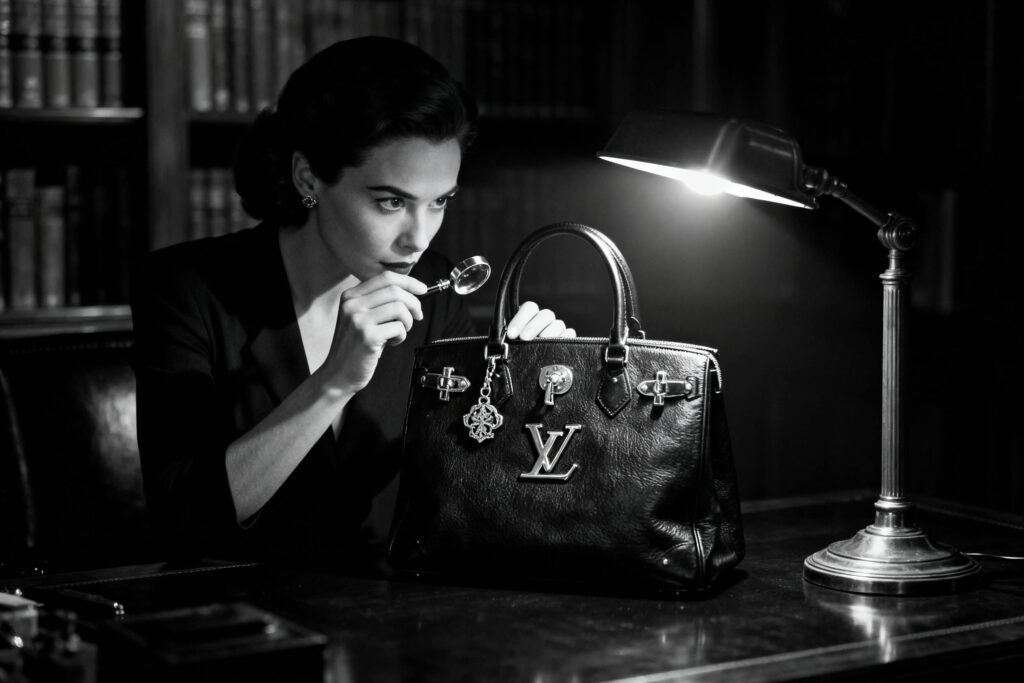
Look at the piece under good lighting, perhaps even with a magnifying loupe.
-
Settings: Are the prongs holding the stones symmetrical, smooth, and secure? They should hold the gem firmly without obscuring its beauty.
-
Finish: Is the metal surface smoothly polished with no scratches or pits? Check the inside of a ring and the back of a pendant—quality is consistent everywhere, not just on the visible surfaces.
-
Details: Are engravings crisp and clean? Does the clasp on a necklace or bracelet feel secure and operate smoothly? These small details are indicative of the overall level of craftsmanship.
Buy from Trustworthy Retailers
Your most important decision is choosing where to buy. A reputable jeweler will provide expert guidance, transparent information, and stand behind the authenticity and quality of their pieces. At Venier, for example, we meticulously curate our collections, ensuring every piece meets the highest standards of material purity and craftsmanship, and is accompanied by the necessary certification.
Section 4: Caring for Your Fine Jewelry
A fine jewelry investment is meant to last a lifetime and beyond. Proper care is essential to maintain its beauty and structural integrity. Following these gemstone care and metal maintenance tips will preserve your treasured pieces.
Gentle Cleaning at Home
For most jewelry, a simple solution of warm water and a few drops of mild dish soap is all you need. Use a soft-bristled toothbrush to gently scrub behind settings where dirt can accumulate. Rinse thoroughly and pat dry with a soft, lint-free cloth. Avoid harsh chemicals like bleach or ammonia, which can damage porous gemstones and certain metal alloys. For delicate stones like emeralds or pearls, it’s best to simply wipe them with a damp cloth.
Proper Storage
Damage often occurs when jewelry is not being worn. Store your pieces individually in a soft-lined jewelry box or in separate pouches. This prevents harder gemstones (like diamonds) from scratching softer metals and other gems. Chains should be fastened and laid flat or hung to prevent tangling.
When to Seek Professional Maintenance
At least once a year, it’s wise to take your most-worn pieces to a professional jeweler for a „check-up.” A jeweler can professionally clean your items using ultrasonic cleaners, check for loose stones, and inspect the integrity of prongs and clasps. Regular professional maintenance is the best way to prevent the loss of a precious stone and keep your jewelry looking its absolute best.
Frequently Asked Questions
Q1: What is the difference between 14k and 18k gold?
A: 14k gold contains 58.3% pure gold and is alloyed with other metals, making it more durable for everyday wear. 18k gold is 75% pure gold, offering a richer, deeper yellow color and a more luxurious feel, though it is slightly softer.
Q2: How can I tell if a gemstone is natural or synthetic?
A: The most reliable way is through a certificate from a reputable gemological lab like GIA or AGS, which verifies a stone’s natural origin. While a trained gemologist can spot indicators, lab-created stones can be visually identical to natural ones, making certification essential.
Q3: What metals are hypoallergenic for fine jewelry?
A: Platinum and titanium are the best choices as they are naturally hypoallergenic. High-karat gold (18k and above) is also generally safe. Allergies are often caused by nickel, which can be present in some lower-karat gold alloys and costume jewelry.
Q4: How often should I clean my fine jewelry?
A: For items worn daily, a gentle at-home cleaning every few weeks is recommended to remove oils and residue. A professional cleaning and inspection every 6 to 12 months will keep your pieces in pristine condition.
Q5: Are semi-precious stones good investments?
A: Generally, precious stones like high-quality diamonds, rubies, sapphires, and emeralds hold or appreciate in value more reliably. Semi-precious stones are primarily chosen for their aesthetic beauty and personal appeal rather than as a financial investment.
Conclusion
Investing in fine jewelry is a deeply personal and rewarding experience. By arming yourself with knowledge about the fundamental materials—understanding the nuances of precious metals and the quality factors of gemstones—you transform from a simple buyer into a confident collector. This understanding allows you to appreciate the immense artistry and natural wonder held within each piece and to make choices that will bring you joy and hold their value for a lifetime. Your jewelry collection should be a true and lasting reflection of your story.
Explore our exclusive selection of fine jewelry crafted from the highest quality materials at Venier.